

Low Pressure Liquid Chromatography
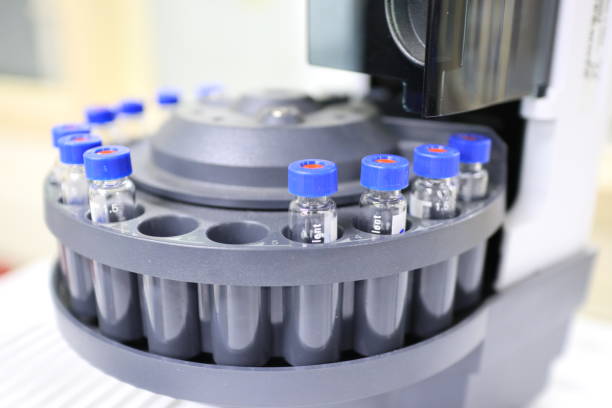
LPLC is a specialized and highly selective method predominantly applied in the analysis of biomolecules such as proteins, peptides, and monoclonal antibodies. It serves as an excellent preparative and non-destructive technique, making it well-suited for the separation of biomolecules and purification of recombinant-tagged proteins. Additionally, LPLC finds applications in purifying active pharmaceutical ingredients, eliminating pesticides from samples, and refining small molecules.
LPLC INSTRUMENTATION
LPLC is a system consisting of several components, including a column, low-pressure pump (typically peristaltic), injector, detector, and fraction collector. The peristaltic roller pump draws the mobile phase from the reservoir at a constant flow rate and transfers it to the column.
The mobile phase then goes through an injector containing the sample, delivering it to the column for separation. As the sample components pass through the column, they separate and reach the detector at different rates. An in-line UV-Vis or refractive index (RI) detector monitors the column effluent, enabling the collection of samples using a fraction collector. These collected samples are organized based on the time of their elution.
LPLC ADSORBENTS AND HARDWARE
The matrix material for the column should possess favorable mechanical and chemical stability, as well as inertness, while containing functional groups to aid in analyte attachment. Depending on the solvent utilized, the column hardware materials are typically constructed using glass or inert plastic materials.