

Our organization possesses a rich background in liquid chromatography, with a strong focus on expertise and innovation. We maintain a large team of dedicated scientists who constantly work on creating fresh protocols, monographs, and research papers for HPLC, UHPLC, and LPLC. Our technical library holds a vast collection of detailed protocols used for quantifying specific analytes, adhering to various regulatory methods.
ANALYSIS OF SMALL MOLECULES
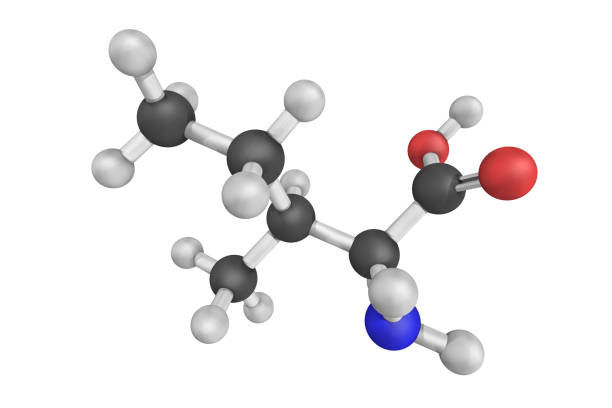
Small molecules refer to compounds with low molecular weight, typically less than 900 daltons, and examples include amino acids, lipids, sugars, fatty acids, alkaloids, and more.
Biomolecules are essential, large polymeric compounds produced by living cells that play crucial roles in the structure and processes of living organisms. They encompass proteins, peptides, polynucleotides, carbohydrates, lipids, vitamins, and coenzymes. Due to the complexity of these large molecules, their diverse chemical nature, and the need to consider biological activity, an effective characterization technique is necessary. Among the various available separation and analysis methods, high-performance liquid chromatography (HPLC) is the most commonly utilized.
Low pressure liquid chromatography (LPLC) involves passing the mobile phase through the column at a low pressure. In the past, LPLC was carried out in open columns where gravity played a role in moving the solvent through the column, and this approach was known as 'open column liquid chromatography.' Nowadays, LPLC is commonly conducted using pump-driven instrumentation.